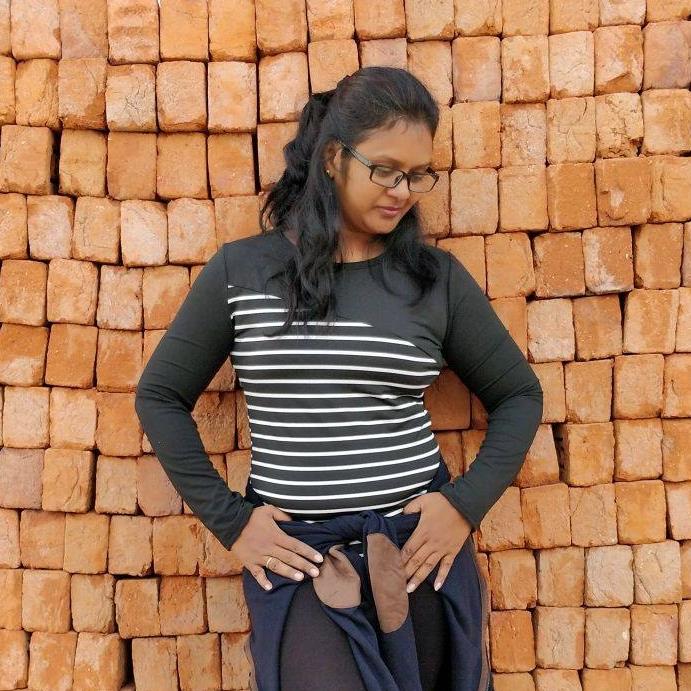
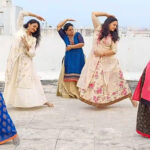
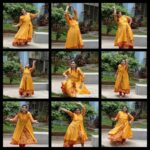
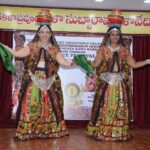
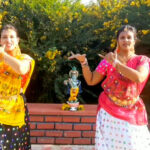
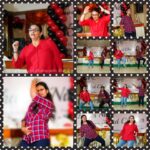
Did you ever stop and think about how often we have seen people talking about one’s appearance? I have heard many times in my personal experience. Sometimes, it’s in a positive sense but sometimes it seems like a criticism. Many people in the society, especially women, have been through these so-called societal norms across the world. The widespread phenomenon of receiving the feedback from society when our bodies don’t meet the unrealistic beauty standards. I personally feel that we spend most of our time in self-critical thoughts, despising our body and comparing ourselves unfavorably to others. I, personally have faced lot of criticism from many people around towards body appearance and weight aspects. Probably, this is one of the reasons which has pushed me in writing this blog. But whatever I pen down here in my blog is just my perspective and my personal experiences towards it.
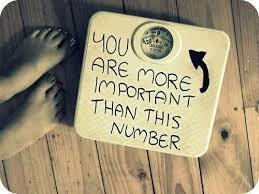
Body shaming has been the most used term for this. But I rephrase it as Body Shining or Body Positivity for myself. For me, personally, shaming seems a bit negative and I feel why should one feel negative about themselves in any way. As a child and a youngster, I was very slim and fit person in the normal societal language and am no more the same. But why should this bother someone, when I am fine with however I am. In my perspective, am still fit and active, might not be physically but definitely mentally and emotionally. I always have been confused about why people only think about being fit and active physically and don’t focus on mental fitness and activeness. Don’t you agree with me if I say this is equally important, or to be more precise, being strong, fit and active mentally is much more important than being strong physically?
There have been many personal experiences in life for me, just like many other women in the society. I have been through many situations when people around me had criticized me for my body appearance. The terms like “Oh! You are too thin, you need to put a bit of weight and become more stronger”, “OMG! You have put on so much of weight, how would you even manage to do anything in your daily life”, “It would have been so good if you were a bit taller”, “Oh! You are so tall; you look equal to those boys” are the common ones we can hear people talking about others. Some people think that it is just for fun. But pause there for a second and place yourself in that position and think if you would ever be able to take it as a fun if someone criticized you that way. It would be difficult for any of us to see ourselves in that position. But if we really empathize with the situation of the other person, we will understand the pain and emotional stress one goes through in such situations. I, personally feel, this is intended more towards women but still don’t understand why? One who has the mindset of criticizing others in this way will anyways do it. We cannot control the actions and comments of others, but we can stop ourselves from entering the vivacious cycle of body shaming.
“The next time you start criticizing yourself, take a split-second pause, step back and ask yourself where it’s coming from”, said Jenny Weinar, a Philadelphia – based social worker and therapist. She asks people to focus on whose voice we hear and says that voice could be of someone specific in our lives. Regan Chastain, a Los-Angeles-based fat activist who holds the Guinness World Record for heaviest woman to complete a marathon, spent a long time feeling angry at her body. Then, she realized she hadn’t spent a minute being grateful for its powers. At that point, she listed off everything she could think of that her body did for her. Going forward, every time she experienced a negative thought about her body, she replaced it with something from her gratitude list. This story of hers had inspired me personally to a great extent. I feel our mind would act as we tune it. If we focus more on positive, it will lead us towards positivity and vice versa. Since I had learned of this story, I had started following the same and I realized that there are so many positive things about myself for which I can really be proud of. I strongly believe the proverb, “Count your blessings, not your troubles”.
Embrace Yourself
Many times, I have heard people getting worried if there is any solution to this and how do they fight against body shaming? I feel there is no problem without a solution, it is just that we need to change our focus and mindset. I personally follow my own principles to allow myself to stay away from such negativity in life and love myself as I am. I am over weighted and fat – so what? Does this make me do anything less in my life than I wish for – Never. Then, why should this even bother me. I keep telling myself frequently that I am beautiful in my own way and I can do wonders in my life. “Self-Confidence is the best outfit, rock it and own it”.
Embrace our own – Body positivity as opposed to body shaming is learning to embrace your own imperfections and feeling content with how we are and how we look. Once we start doing this, no amount of judgement that may be directed towards us can put us down.
Maintain healthy relationships – Surround yourself with people who are body positive and accept you for who you are – without forcing you into society’s impossible standards. It is very important to spend quality time with people who will help you view yourself positively and prohibit any semblance of body shaming.
Educate those who body shame – The effects of body shaming are more emotional than physical. In most of the cases, the people around might not even notice the emotional trauma the victim is experiencing. This emotional stress accumulates and bursts out at some point of time. If you catch anyone body shaming another, confront and educate them. Talk out nicely and discuss the harmful effects of body shaming a person.
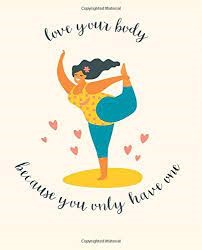
At the end, each one of us want to be accepted for who we are and how we look. Beauty is not about having a perfect body or amazing looks. It’s all about the person’s heart and soul. Every person is beautiful in his/her own way. When a person is meant to be in a particular way, why should we expect him/her to change for some baseless norms of the society. Size of your body doesn’t define your beauty. Be confident, be happy, love your body and embrace yourself!
We all might have had experiences where we felt like a fish out of water, or we were swimming against the current. Things were not just going well and we had to stop, revaluate and regroup. Chances are, many of these situations might be the result of unrealistic expectations we had on people around us and even ourselves. My belief is to expect more from yourself than others. Because expectations from others hurt a lot, while expectations from yourself inspire a lot. That is life.
Perfectly Imperfect Me!
From childhood, we are taught to cut down on ego – on an exaggerated sense of self, and to consider others before one’s self. This is very much true in our country, and more specifically with girls. This thought process of the society has always been confusing for me. As a kid, I always used to think that is it wrong to think about myself over others. The question that why we put ourselves last and why self-love cannot be a priority was left unanswered for many years. It is not that I do not agree to the feeling of putting others first. I, personally believe that we should be there for others, but never leave ourselves behind in this process. Is it that difficult for a person to have this balance? Few misconceptions had been imposed into our minds about the concept of self-love and self-care.
Self-Care Vs Self-Obsessed
As many of us think, self-care or self-love does not mean being self-obsessed or selfish. Taking care of ourselves strengthens us and enables us to support our loved ones in a better way. For me it took quite a long time to understand and agree to the point that self-love is an antidote to stress, as it builds resilience so we can better cope up with challenges life throws at us in this beautiful journey. Just think, how they tell us to put on our oxygen mask first on an airplane before we help others. It is just the same way. Yes, absolutely support others, but nurture yourself first.
We confuse “rescuing” with “caring”
People often sacrifice self-care because they are too busy trying to save everyone else’s life around them. But sometimes it is important to understand that people have to learn their own lessons in life, however painful that might be. It might be that while we think we are caring for them by rescuing them from the unpleasant experiences in their lives, we are denying them the opportunity to face their own challenges, and grow stronger or learn a lesson from doing so. This has been a hard truth for me to face, as I always thought I was being nice and caring towards others and vice-versa. I do not mean that we should not support others, but it is important to understand that there is a difference between providing support for someone who asks for help and taking upon ourselves to save somebody in our way, irrespective of what the other person feels. So, stop rescuing and start caring!
We teach people how to treat us!
We do not often realize that we teach people how to treat us by our own actions and attitude towards them. When we take a step forward and try to help others in any way, the question, which makes a difference, is whether they are willing to take your help or if we are voluntarily forcing upon our thoughts and process to the other person. No doubt, you have played your part perfectly by offering your help to the person in need but we cannot change the way the other person would receive this kind act. We only have control over our actions and not on the actions of others. It is always important to put ourselves in the shoes of others and try to think about all the possible outcomes before we deal with people. What is good and right for us might not actually be the same for others and vice-versa. So let us not teach people how to treat us and instead, let us leave the option to the other person. Seems confusing, but it makes sense when you think about deeply.
We often do not realize our worth!
Ultimately, it boils down to the fact that we think others are worth more than we are. If we are confident in our love for ourselves and treat ourselves as if we are worthy enough, that would make our life more beautiful and happier. Our outlook on life is a direct reflection on how much we like ourselves. Self-worth is how you value yourself and not based on what others think of you.
“When you know who you are, and you are pleased with the person you have become; you will experience a sense of peace through life’s inevitable ups and downs – Amy Morin”
I, personally have learnt this lesson hard way through the journey of my life. For many years, I always felt like I had to prove myself as worthy of everyone for everything. I did things that made others happier than it made me. I did this so often for so many people around me that I lost track of what I valued in this process of pleasing everyone around me. Thankfully, at one point of time, I realized that what made me happy mattered more than pleasing others. It was not an easy task to make my mind and heart go through this transformation phase. The work is still in progress, but now, I try to measure my self-worth based on my own sense of self rather than how other people perceive me. This mindset sometimes may not make others happy, but it definitely makes me happy as I am doing what my mind or heart asks me to. My idea behind this is instead of chasing things that temporarily boost your self-esteem, measure your self-worth by who you are at your core.
“Inhale confidence, exhale doubt”
“A strong positive self-image is the best possible preparation for success in life” – Dr. Joyce Brothers.
Self-Efficacy – The Secret Mantra!
“Whether you think you can, or you think you can’t, you are right” – Henry Ford
When facing a challenge, do you feel like you can rise up and accomplish your goal or do you doubt your own abilities and give up in defeat? Most of us have the similar mindset in such circumstances. However, one thing, which makes difference, is how you train your mind to react in those situations.
“If you change the way you look at things, the things you look at change” – Wayne Dyer
It all depends on what and how we train our mind to believe. The body achieves what the mind believes. It is thus important to believe in ourselves to achieve anything in life. When we doubt our power, we give power to our doubt. The secret mantra for this is Self-Efficacy.
There are lot of misconceptions about what is Self-Efficacy? It is a person’s belief in their ability to succeed in a particular situation. Psychologist Albert Bandura described these beliefs as determinants of how people think, feel and behave. Self-Efficacy is part of the complete self-system comprised of a person’s attitudes, abilities and skills. I have had my own set of experiences and learnings on how Self-Efficacy plays a vital role in how we think, how we feel and how we act towards it.
Can we learn to develop self-efficacy by ourselves? During the journey of my professional and personal experiences, I have come across this question quite few times. Every time I faced it, my answer always was a Yes. Learning how to believe in yourself just needs a holistic strategy, which helps you to take control of your thoughts and feelings by yourself.
Developing a strong sense of self-efficacy can play an important role in almost every aspect of our life. Life is full of challenges and high levels of self-efficacy can help us better deal with these difficulties more effectively. Our belief in our abilities can predict how motivated we feel, how we feel about ourselves, and the amount of effort we put into achieving our goals.
“To be yourself in a world that is constantly trying to make you something else is the greatest accomplishment”
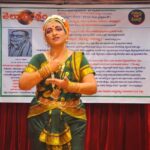
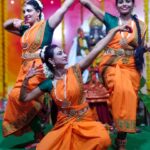
Dance is the hidden language of the soul. I developed a great love for dance at a very young age. I started to learn the art watching the songs in the TV. I used to love watching people perform dance with so much energy and grace. Gradually, it made me feel immensely happy and I started focusing more towards learning the art of dance. As I started growing little big, this liking towards dance turned into a passion and drove me a step closer towards it. With the support of my family, I started learning one of the well-known Indian Classical dance form – Bharatanatyam. I kept on learning, practicing and performing dance wherever there was a possibility. Every time I used to dance, it used to make me a better person and I started loving it even more. There are many things which Dance has taught me over the years. The best thing which I started following and still do is “Never dance to impress, but only to express yourself”. Dance is the best of allowing yourself to be what you actually are. It is a way of expressing your thoughts and feelings in the best possible way. It helped me develop a great mental ability as the years passed. I never left an opportunity to dance, irrespective of the place and occasion. Dance became the best therapy in my life, which helped me to balance my life appropriately.
“Indian classical dance and music are not just for entertainment – they are designed to elevate your conscious”
Sadhguru
Dance – An art, Science and beyond!
Dance is an art, paint your dream and follow it. It is a natural form of self-expression and a means to express our inner feelings, thoughts and experience in a beautiful way. Dance enables us to tell a story with the help of gestures and expressions. Is there a science behind the art of dance? Many things stimulate our brains. Scientists are not sure why we like movement so much, but there is certainly a lot of unreliable evidence to believe it to be true. Some studies show that dance increases levels of the feel-good hormone serotonin, and helps develop new neural connections. Dance can support emotional competence and can turn the emotional expression into an art. When we become aware of our feelings and move them out of our physical body through dance, we begin to embrace our humanity while we give it an artistic expression. That is when dance touches our soul. Dance has proven to be a beautiful art form with a meaningful scientific theory behind it. However, does the magic of Dance end there? The answer is a definite no. Dance is something beyond all these. Have you heard of the word therapy? I am sure yes, as it is a quite commonly used term these days. Dance, is now being considered as a therapy in few countries and is referred to as Dance / Movement Therapy or DMT. It is a type of therapy that uses various movements to help individuals achieve emotional, physical and social integration. It is beneficial for both physical and mental health, dance therapy can be used for various aspects like stress reduction, body management, emotional balance, etc.
Dance – The Indian Heritage
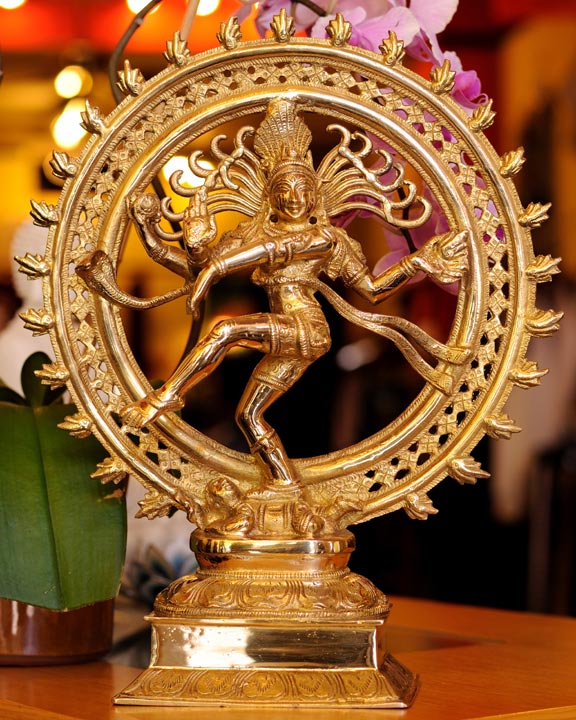
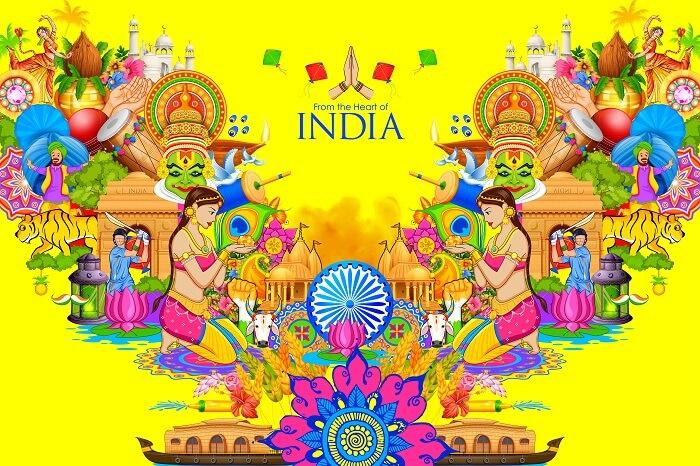
India has a great heritage of dance and music, as part of its culture. Culture, in India, although diverse and varied, still binds the country together in some form of common identification. Indian dance has played a remarkable role in this unification. Dance in India has an unbroken tradition of over 2,000 years. Dancing is one of the most esteemed Indian arts as it incorporates melody and drama in the best possible way. Gestures, body positions and head movements are emphasized in Indian dance. There are almost a thousand specific hand movements and signs, which are called Mudras. India is known for its diversity and can be seen in a variety of things. The key aspects of understanding diversity are different religious and cultural backgrounds. In India, we find people speaking different languages, celebrating different festivals, eating different cuisines, following different art and culture but still live together happily. When we talk about art and culture, Dance is one of the main aspects of the Indian diversity. Each state has its own different traditional dance forms, which has its own beauty and specialty.
Indian Dance – A Perfect Epitome!
Indian dance is one of the most revered identities of our culture. We can broadly classify the Indian dance into two main genres – Classical and Folk Dance. The main difference between the two is the origin of these dance forms. Classical dance has a deep-rooted relationship with the Natya Shastra, whereas Folk dance emerged from the local tradition of the respective state, ethnic or geographic regions. The classical dance forms recognized by the Sangeet Natak Academy and the Ministry of Culture are –
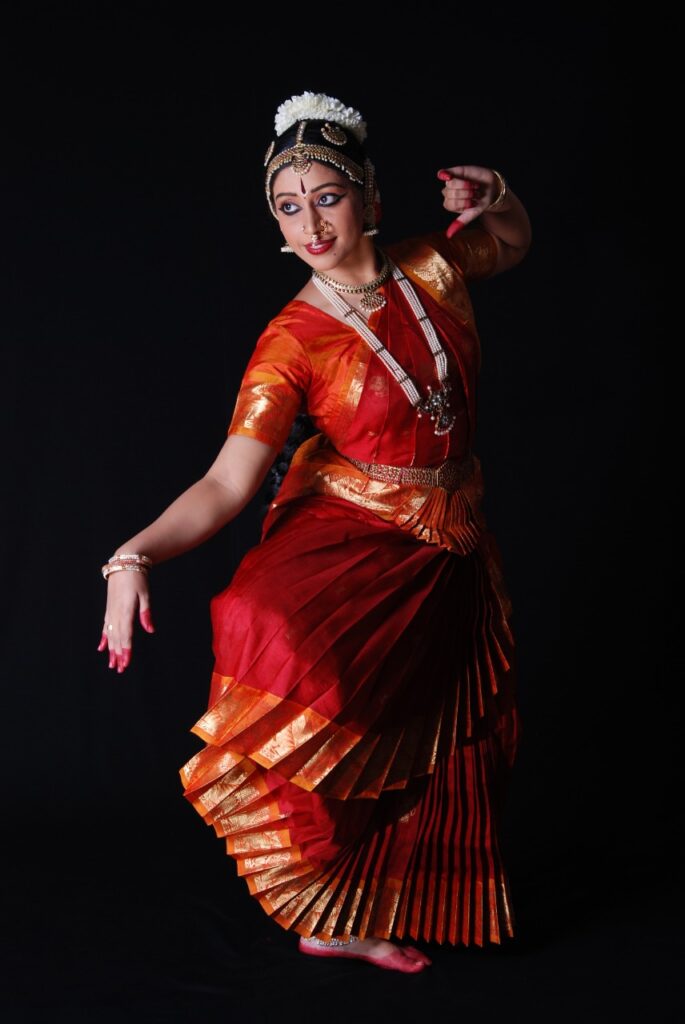
1. Bharatanatyam, from Tamil Nadu
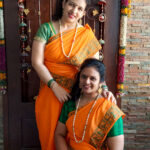
Smt. Srividya Anish, MFA (Bharatanatyam) from Nrityodaya affiliated to Sastra University
She is a professional Bharatanatyam Dancer and Guru, who has rich experience in the field of Indian Classical Dance. She is an elegant dancer who had started her journey of dance at the tender age of five and has accumulated many achievements in her bucket during her long professional journey. She has been my Guru and an inspiration in my passionate journey of Dance.
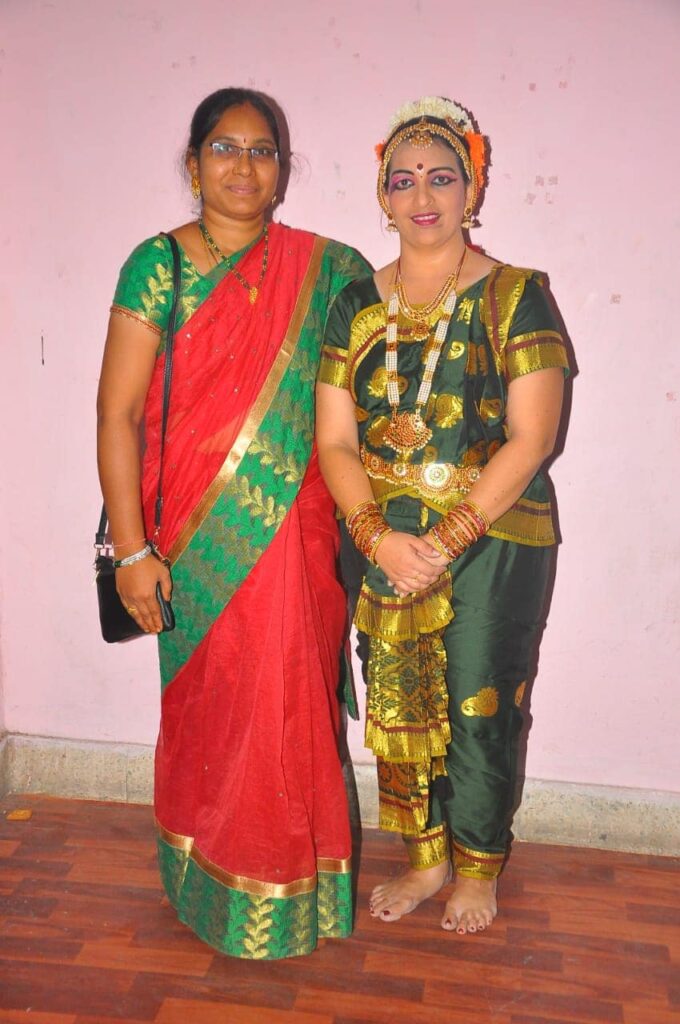
Smt. Lalitha Masapeta, MA (Bharatanatyam) from Hyderabad Central University
She is a professional Bharatanatyam Choreographer and Guru with rich experience in the field of Indian Classical Dance. She is a Dance Teacher in an International school and also a registered Teacher in Gandharva Mahavidyalaya, Mumbai. She choreographs and trains her students for various programs and competitions across the country. She has been my biggest inspiration and mentor in the field of dance since last few years.
2. Kuchipudi, from Andhra Pradesh
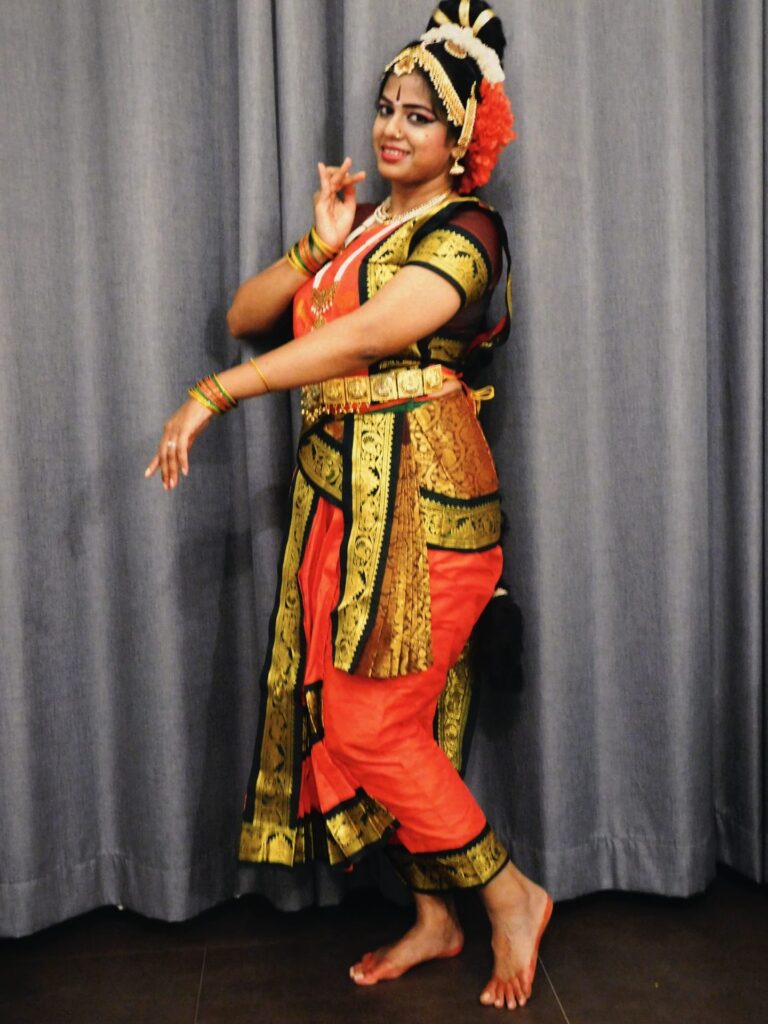
Smt. Abhinaya Kadali, Corporate Employee
Abhinaya is a Pharma professional, working with Novartis Healthcare Pvt. Ltd in Hyderabad. She is a trained dancer and performer in the field of Kuchipudi dance. She started her passionate dance journey at a very young age and has performed across the country and outside as well. She is passionate for the art of dance and is a bunch of immense talent with experience in learning various Indian and Western dance styles along with the main form of Kuchipudi. She is a very close family friend of mine and has been a great supporter and motivator me in my journey of Dance.
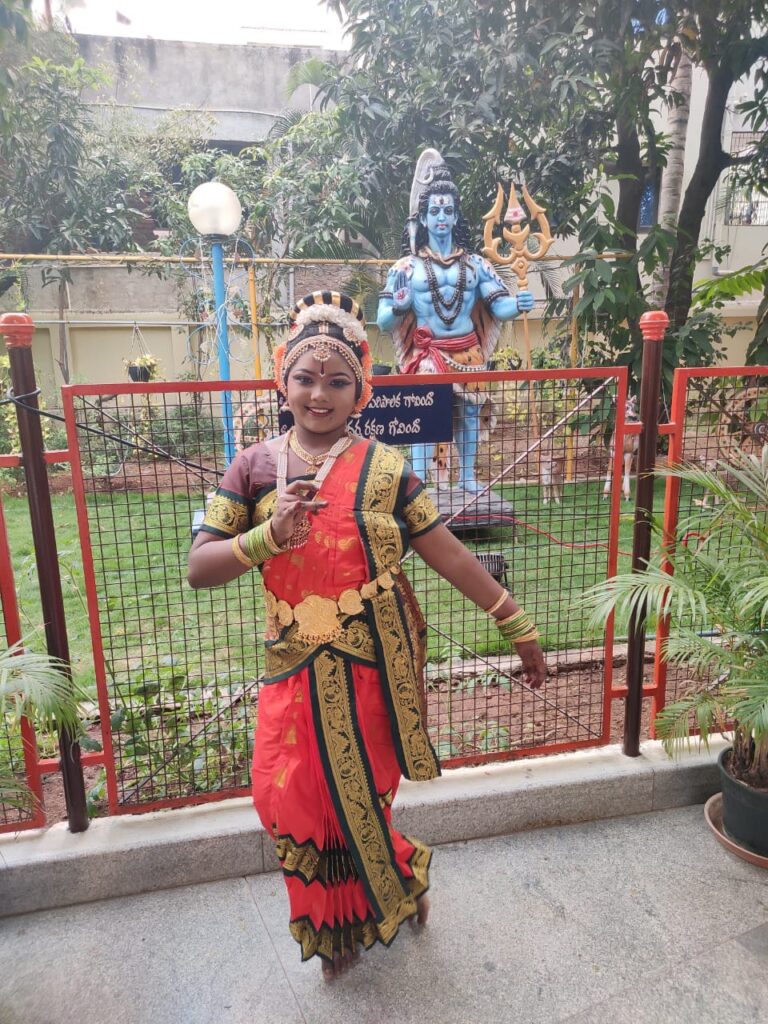
Miss. Dhruvi, Grade V, DPS
Dhruvi is the daughter of one of my very close friends Dr. Harivardhigini and is studying in Grade V at Delhi Public School, Nacharam. She has been passionate for dance right from her childhood days and has been learning professional Kuchipudi dance under her guru Smt. Adapa Bharani garu from the age of 5 years. She has performed in various events across the state and also participated in many competitions and created a unique name for herself in this field. She continuous to enjoy other western styles of dance along with Kuchipudi under the guidance of her super talented mother, who is a passionate and a lovely dancer herself. Dhruvi stands as an example to many other children of her age in taking forward our Indian culture and heritage to a higher level.
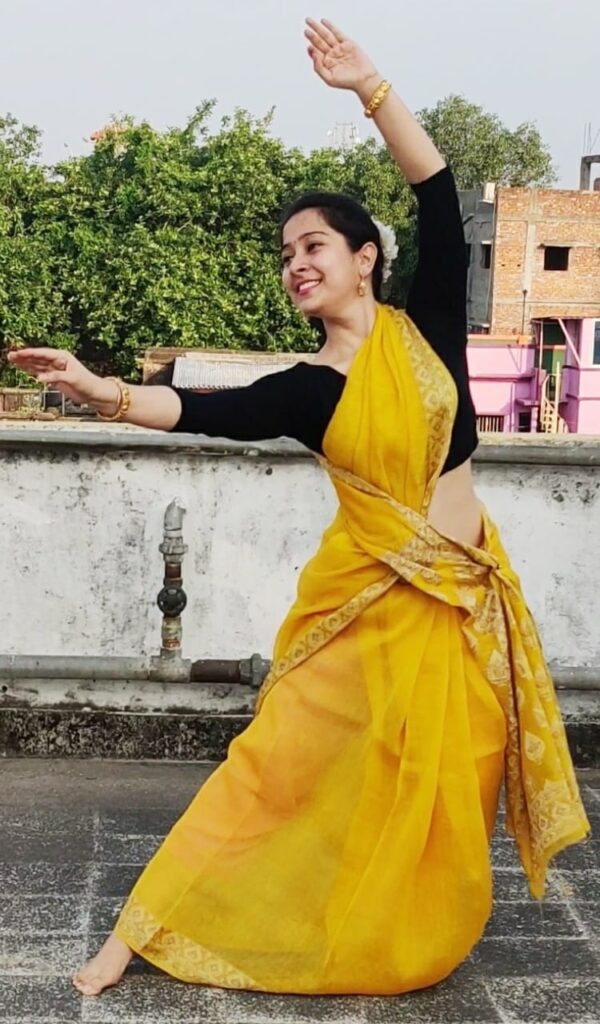
3. Kathak, from Uttar Pradesh
Smt. Esha Chakraborty, Corporate Employee
Esha Chakraborty is a Pharma professional working at Novartis Healthcare Pvt Ltd, Hyderabad. She had started her journey of dance at the very young age of 4 years. She is an elegant and trained dancer in various Indian and Western dance forms like Kathak, Bharatanatyam, Rabindra Nritya (Bengali Folk Dance Style), Contemporary and Hip-Hop. She has been part of various dance performances and various competitions across the country. She had got the privilege to perform for Tedx and Global Entrepreneur Summit 2017. She is one of my close friends and an amazing mentor in my passionate journey of dance in recent times. She had always encouraged and supported me and I had a great privilege to perform in her choreography for many dance performances. She is a bunch of talent and the best example of the Dance fusion styles with rich exposure in Indian and Western Dance styles.
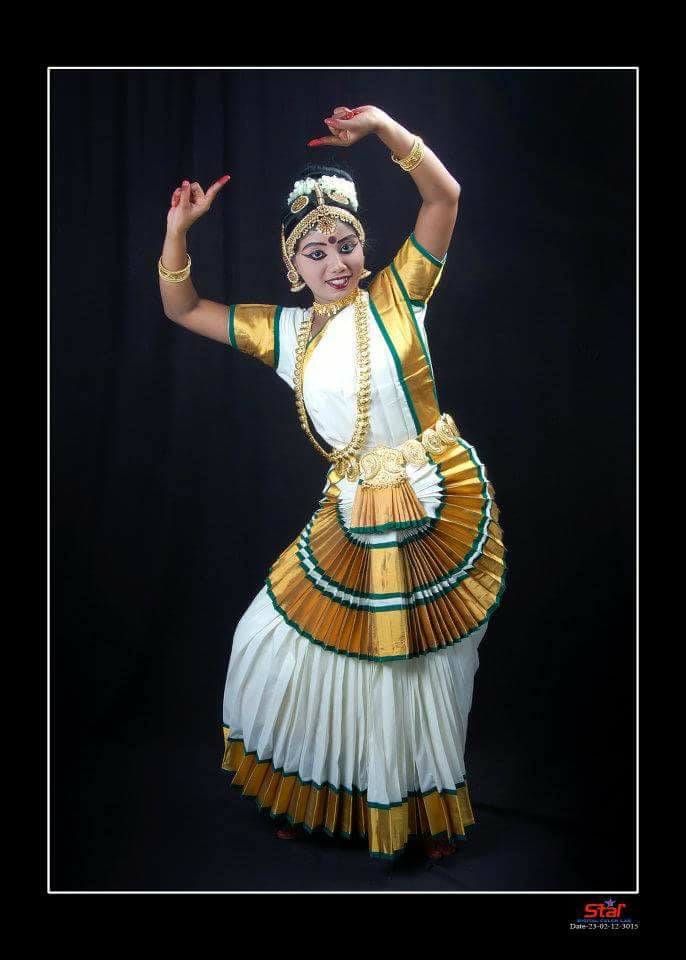
4. Mohiniattam, from Kerala
Smt Ashwathi Arun
She is a passionate dancer and daughter of one of school teachers Mr. Rajan Achari. She has started dancing at a young age and enjoy the art form very much. She has performed in various occasions and contribute towards showcasing the loveliest form of Mohiniattam from Kerala, which is known as one of the best and elegant dances of India.
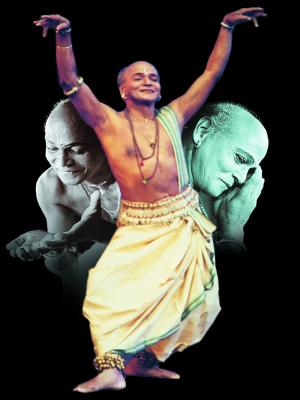
5. Odissi, from Orissa
Sri. Kelucharan Mohapatra, Late Odissi Dance Performer and Guru (Jan 1926 – Apr 2004)
Kelucharan Mohapatra was a legendry Indian classical dancer, guru and exponent of Odissi dance. He was the first person to receive the Padma Vibhushan from Orissa. He led a 20th – century revival of Odissi, a centuries-old style of dance associated with temples of Orissa and one of the principle forms of Indian classical dance. He stood as an inspiration to many people, especially male dancers to live their passion for dance and accept the art as their careers with a positive spirit.
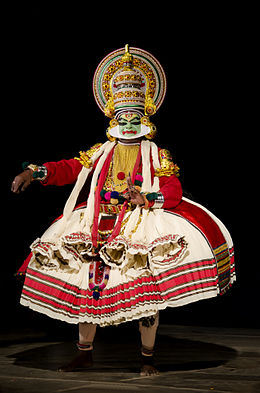
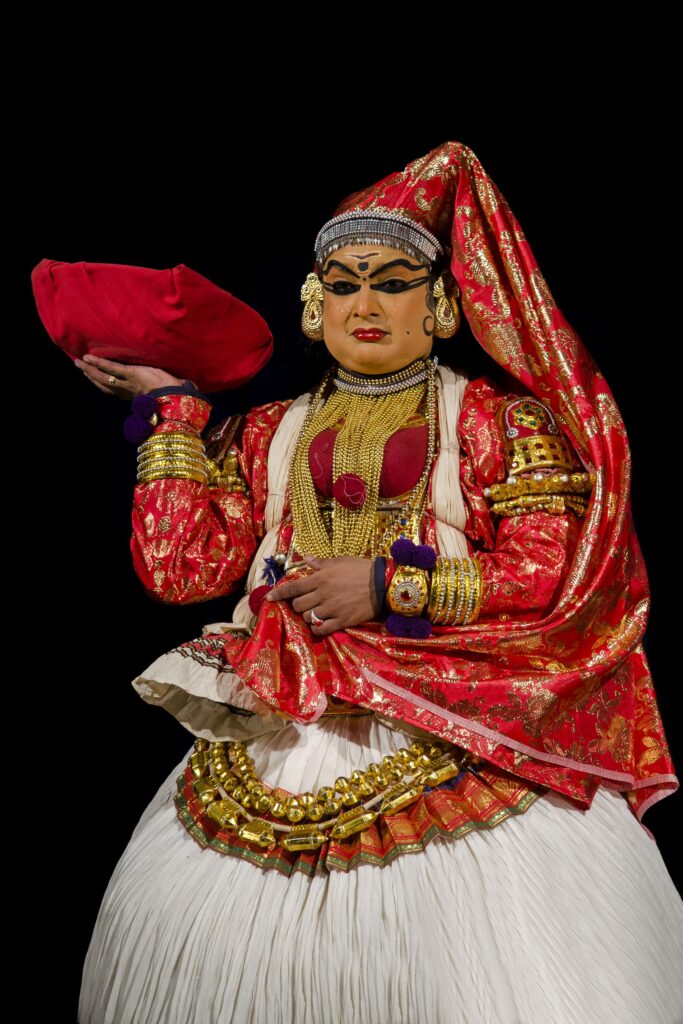
6. Kathakali, from Kerala
Sri. Guru Chandrasekharan, Late Kathakali Dancer and Instructor (1916-1998)
Guru Chandrasekharan was an Indian classical dancer, choreographer and instructor of Kathakali. He was born in Trivandrum and practiced Kathakali under Nedumudi Narayan Kurup, who was also an artist under the patronage of the Royal Palace of Travancore. Later he organized his own troupe and conducted performances in major cities of India. He stands as an inspiration to many dancers, who are passionate towards this dance form.
Smt. Kanak Rele, Mohiniattam and Kathakali Dancer and Instructor (1937)
Kanak Rele is an Indian Dancer, choreographer and academics best known as an exponent of Mohiniyattam and Kathakali. She was born in Gujrat and had started her journey of dance at the age of 7. She is the founder-director of the Nalanda Dance Research Centre and the founder-principal of the Nalanda Nritya Kala Mahavidyalaya in Mumbai.
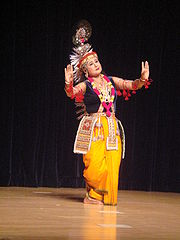
7. Manipuri, from Manipur
Smt. Elam Endira Devi, Manipuri Dancer and Teacher (1954)
Elam Endira Devi is an Indian classical dancer and teacher, known for her expertise and scholarship in the classical dance form of Manipuri. She started learning Manipuri dance at the early age of eight years. She secured her BA and MA in Manipuri Culture and Literature, in 1979, from Guwahati University. The Government of India honored her, in 2014, with the Padma Shri, the fourth highest civilian award, for her services to the field of art and culture.
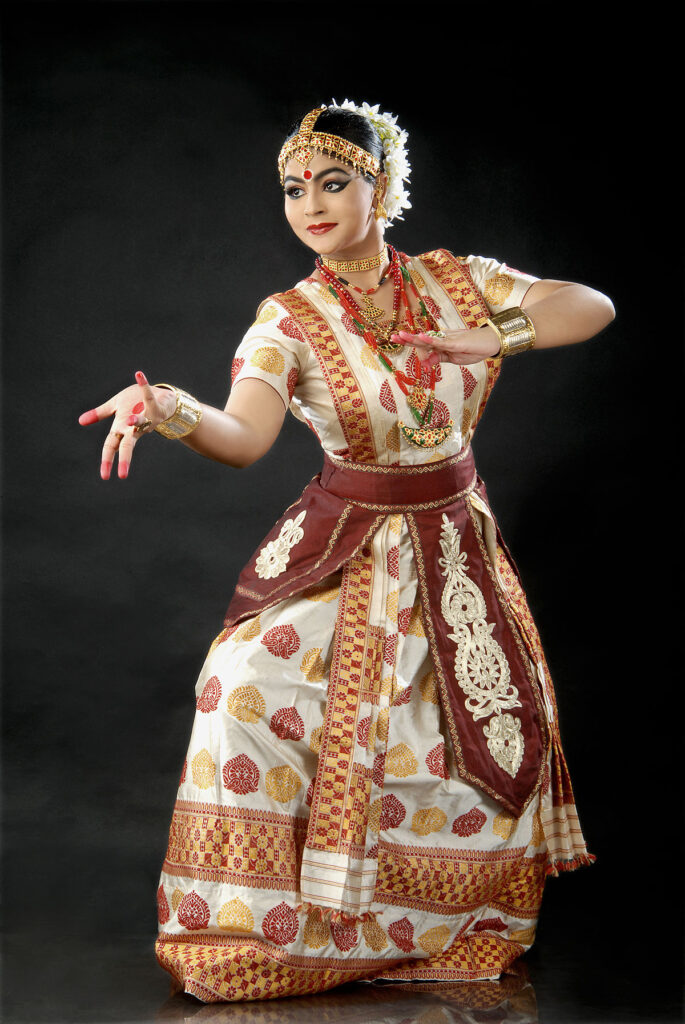
8. Sattriya, from Assam
Smt. Krishnakshi Kashyap, Indian Sattriya Danseuse
Krishnakshi Kashyap is an Indian Sattriya Danseuse, cultural ideapreneur and a social entrepreneur. She is trained in two classical dance forms of India, Bharatanatyam and Sattriya. She now engages herself in the promotion and propagation of Sattriya dance, the living tradition of Assam. Krishnakshi is the disciple of Sangeet Natak Academi awardee Shri Ramakrishna Talukdar in Sattriya and trained in Bharatnatyam under Sangeet Natak Academi awardee Smt. Indira P P Bora. She had started her dance training at the tender age of six years .
Indian Folk Dance – India’s rich diversity
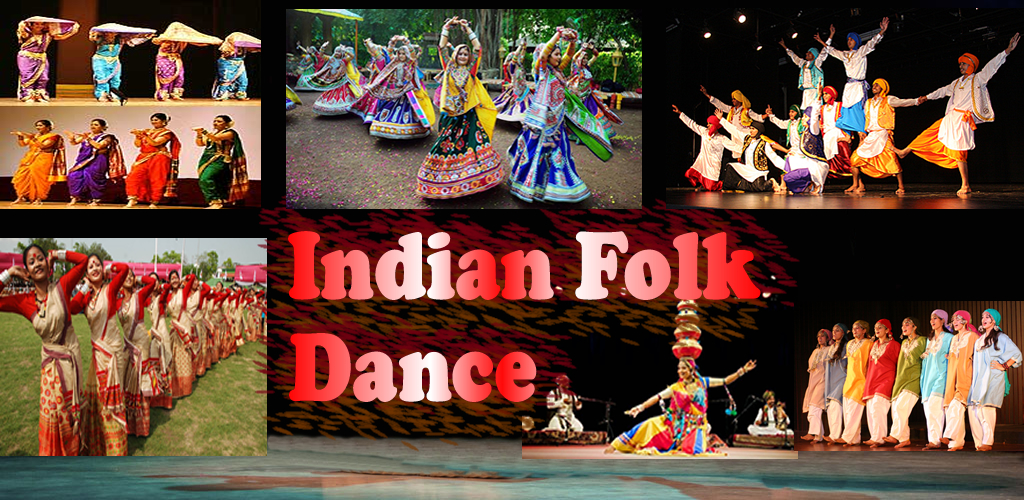
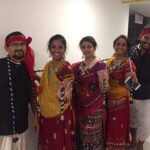
Indian folk dance is a simple dance, which is performed to express joy and happiness among themselves. It is performed for every possible occasion in all parts of India as per their respective cultures and traditions. Folk art is the common procession of a group of people or a particular locality. Each state has its own set of traditional folk dance forms, which has a specific costume. Folk dances are proudly knows as the hidden treasures of India, which is absolutely true. The simplicity and the beauty in each of these traditional folk dances is exceptional in its own way. Every Indian state has more than one folk dance forms based on the culture and tradition of the districts and villages of the states. I, personally, had a rich and an amazing journey with the folk dance styles as part of my dance life. I have got an opportunity to learn and enjoy the experience of various Indian folk dances like Garba, Bhangra, Rajasthani Ghoomar, Bihu, Sambhalpuri, Lavani, Koli and Bonalu.
Dance – The new gimmick for fitness!
The new mantra in today’s world of fitness is “get fit the dance way”. People are seeing dance as a whole body workout that is full of fun. Dance, in a form of exercise is good for our heart, it makes us stronger and can help with balance and coordination. A 30-minute dance fitness session might burn between 130 and 250 calories. Many dance enthusiasts believe that it can benefit both the physical and mental health and subsidizes social communication. Dancing has a wide range of physical and mental benefits including improved condition of the heart and lungs, increased muscular strength, improved muscle tone and strength, weight management, agility and flexibility and many more to be added to the list. One might feel the science behind it is too technical but the facts remain that these are very minute yet important aspects which we neglect in our day to day life. I am one amongst the people who believe that dance can be one of the best form to get yourself on toes with a healthy and fit body. I personally feel, any type of exercise, if done with love and passion, helps your body to get the expected results. I have had been part of few such dance fitness routines and observed the process closely. It is one of the most happening fitness routines across India. A single dance fitness routine includes warm-up, cardio (main workout) followed by the cool-down or stretching session.
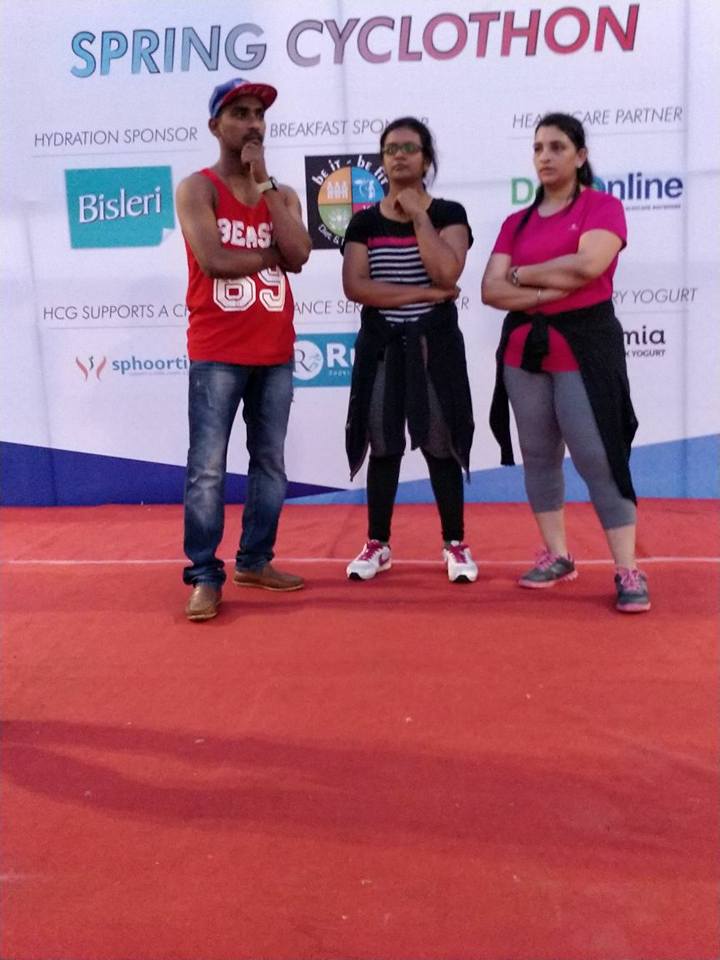
Swapna Soma, Fitness Coach
Fitness Session during Spring Cyclothon
My Fascinating Dance Journey – Pictorial Way!
The Way Forward!
It’s been nearly 30 years since Dance has been part of my life in various ways. The common thing in all these years is the happiness which it has given me and helped me become a strong and better person altogether. I started to enjoy this wonderful art of dance as a hobby during my childhood and moving forward it turned into a passion. To keep the passion alive and to keep motivating ourselves, I along with my bestie Swapna Soma have started a dance YouTube channel named “Just Naach”. The main purpose to start this channel is to just share our passion with the world without any commercial aspect of it. I have always believed if we follow our passion, it will lead us to our purpose. For a short period of time, I had experienced Dance as a profession by sharing my experience and learnings with the school children, which further gave me a wonderful exposure. As the age goes up, it started helping me as a therapy for my medical concerns both physically and mentally. In the present scenario, dance is helping me to be fit in all ways. Further going, I want to enjoy every bit of my passion for Dance till the end in whichever way possible. I dance not to impress but to express. For me, Dance is just not an art or a passion, it’s a never ending journey of my life and I wish this journey continues till eternity!!!
Thanks for being with me in this first step of my passionate journey. Looking forward for your support and encouragement in having a wonderful journey here. Please share your feedback and observations in the comments. Cheers!